
We design labels and cartons for snacks, spices, sweets, beverages, bakery products and other packaged foods. The most common reason for last-minute artwork changes is not the design. It is missing or incorrect mandatory information. Reprinting thousands of labels because a date format or licence number is wrong is expensive and avoidable.
In India, packaged food labels are mainly governed by the Food Safety and Standards (Labelling and Display) Regulations, 2020. Declarations such as net quantity and MRP also fall under the Legal Metrology (Packaged Commodities) Rules. Below is a practical checklist of the information most packaged food labels need to carry.
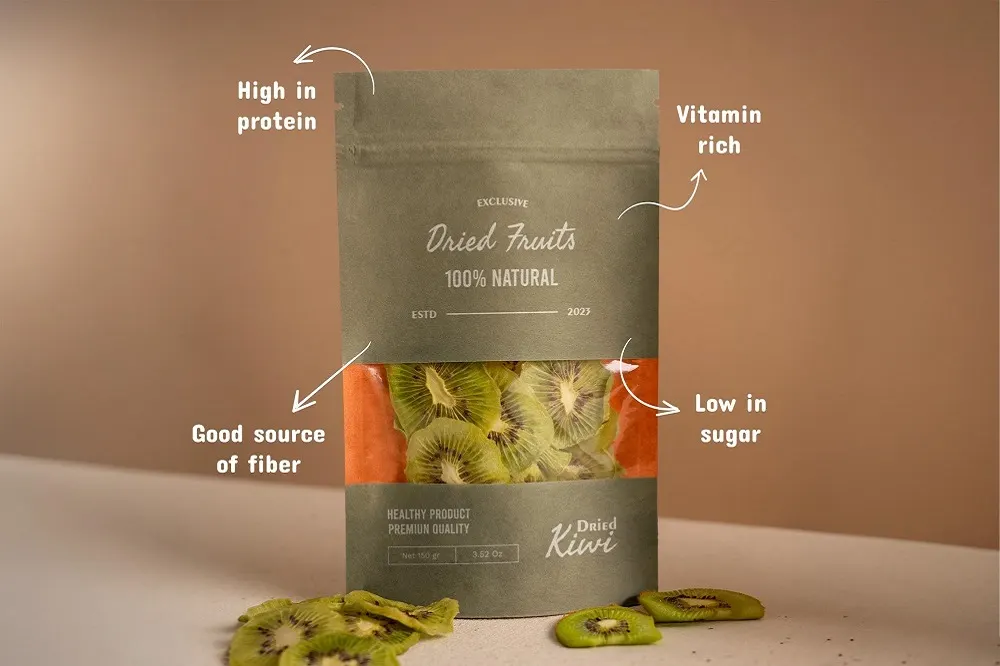
The FSSAI label checklist
1. Name of the food
The name should describe the true nature of the product, not just a brand name. For example, "Roasted Masala Peanuts" tells the customer what is inside, while a brand name alone does not.
2. List of ingredients
Ingredients are listed in descending order of their weight or volume at the time of manufacture. Compound ingredients and specific ingredients may need further details. Where an ingredient is highlighted on the pack, for example "with real almonds", its percentage may also need to be declared.
3. Allergen declaration
Common allergens such as cereals containing gluten, milk, nuts, soy, crustaceans, fish and eggs should be clearly declared. Many brands add a separate "Contains:" line so allergens are easy to spot.
4. Nutritional information
Most packaged foods must show a nutrition table, typically per 100 g or 100 ml and per serving. It usually includes energy and key nutrients such as protein, carbohydrates, sugars (including added sugars), total fat, saturated and trans fat, and sodium. Make sure the table is readable. Very small fonts on a crowded panel are a common problem.
5. Vegetarian or non-vegetarian symbol
The green dot in a green square (vegetarian) or the brown symbol (non-vegetarian) must be shown prominently on the principal display panel. It should be in the specified colour and shape, with enough contrast against the background.
6. Food additives
Additives such as preservatives, colours, emulsifiers and flavour enhancers are declared by their functional class along with their name or INS number, for example "Preservative (INS 211)". Added flavours also need the appropriate declaration.
7. Name and address of the manufacturer, packer or brand owner
The label should carry the name and complete address of the manufacturer or packer. Where products are made by a contract manufacturer, the brand owner's details are also relevant. For imported food, the importer's details and country of origin apply.
8. FSSAI logo and licence or registration number
The FSSAI logo and the licence or registration number must be displayed. If multiple units or a contract manufacturer are involved, make sure the correct numbers appear.
9. Net quantity
Net weight or volume must be declared in standard units, such as g, kg, ml or L. The size of these figures depends on the pack size under Legal Metrology rules.
10. MRP and consumer care details
The maximum retail price (inclusive of all taxes) and consumer care contact details are required on packaged goods sold at retail, as per Legal Metrology rules.
11. Date marking
Labels typically show the date of manufacture or packing and an "Expiry date" or "Use by" date. A "Best before" date may also be given where appropriate. Plan where these will be printed: they are often added by inkjet or stamping on the packing line, so the artwork needs a clear, unvarnished space for them.
12. Batch or lot number
A batch, lot or code number helps trace the product. Like the dates, it is usually printed on the packing line, so leave space for it.
13. Instructions for use and storage
Where needed, include preparation and storage instructions such as "Store in a cool, dry place" or "Refrigerate after opening".
Design tips for compliant, attractive food labels
- Plan the information panel first. Decide where the mandatory text goes before designing the hero artwork, so it does not end up squeezed in.
- Keep text legible. Use clear fonts, good contrast and sensible font sizes. Avoid placing small text over busy photos or dark textures.
- Leave a clean space for dates and batch codes. Inkjet coding does not print well on heavy varnish or foil.
- Use one master text file. Keep the approved label text in one document and copy it into artwork for each variant (SKU), so errors do not multiply.
- Proofread every SKU. Flavour variants often share a template. Check that the ingredients, nutrition values and net quantity are updated on each one.
- Print a physical proof. Check readability at actual size, not only zoomed in on screen.
Quick pre-print checklist
| Item | Checked? |
|---|---|
| Product name describes the food | ☐ |
| Ingredients in descending order + allergens | ☐ |
| Nutrition table (per 100 g/ml and per serve) | ☐ |
| Veg / non-veg symbol on front panel | ☐ |
| Additives declared with class and INS number | ☐ |
| Manufacturer / packer name and address | ☐ |
| FSSAI logo and licence number | ☐ |
| Net quantity, MRP, consumer care details | ☐ |
| Space for manufacturing/expiry date and batch number | ☐ |
| Storage / usage instructions | ☐ |
| Reviewed against the latest FSSAI regulations | ☐ |
Design Point designs food packaging and labels for brands in Ahmedabad and across Gujarat. We build the layout around your approved label content so it is clear, consistent and ready for printing.
Frequently asked questions
Which regulation covers food labelling in India?
Food labelling is mainly governed by the Food Safety and Standards (Labelling and Display) Regulations, 2020 issued by FSSAI. Declarations such as net quantity, MRP and consumer care details also fall under the Legal Metrology (Packaged Commodities) Rules. Both apply to most packaged food sold in India.
Is the FSSAI logo and licence number mandatory on the label?
Yes. Packaged food labels must show the FSSAI logo along with the licence or registration number of the manufacturer, packer or brand owner, as applicable.
Does a designer decide what must go on my food label?
No. The food business operator is responsible for the label content and its accuracy. A packaging designer lays out the required information clearly and legibly, but the content should be checked against the latest FSSAI regulations and, ideally, reviewed by a food technologist or regulatory consultant.
Do I need nutrition information on every food product?
Most packaged foods must carry nutrition information, but some products and very small packs have specific exemptions or relaxations. Check the current regulations for your product category before finalising the label.
Need help with your packaging or print project?
Design Point designs and prints packaging, labels and business stationery in Ahmedabad. Share your requirement and get practical advice and a quote.
Get a Quote Chat on WhatsApp